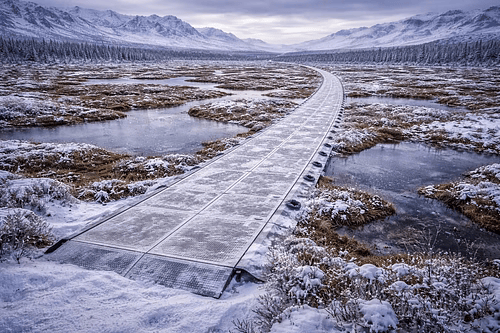
Regenerative Access Corridors
Adaptive access and construction platforms for energy projects
Bilingual team (EN–FR) rooted in Québec's forestry and energy landscapes
Energy Projects Are Rarely Delayed by Generation Technology
The real bottlenecks? Environmental permitting, hydrological disruption, and social acceptability. While turbines and transmission equipment arrive on schedule, projects stall for months or years waiting for regulatory approval and community acceptance.
Access infrastructure is the hidden bottleneck. The temporary roads and platforms built to reach remote sites create permanent environmental impacts that trigger extensive review processes, stakeholder concerns, and costly mitigation requirements. This infrastructure—often treated as an afterthought—determines whether your project moves forward or remains stuck in permitting.
Access Infrastructure: Unveiling the Risks
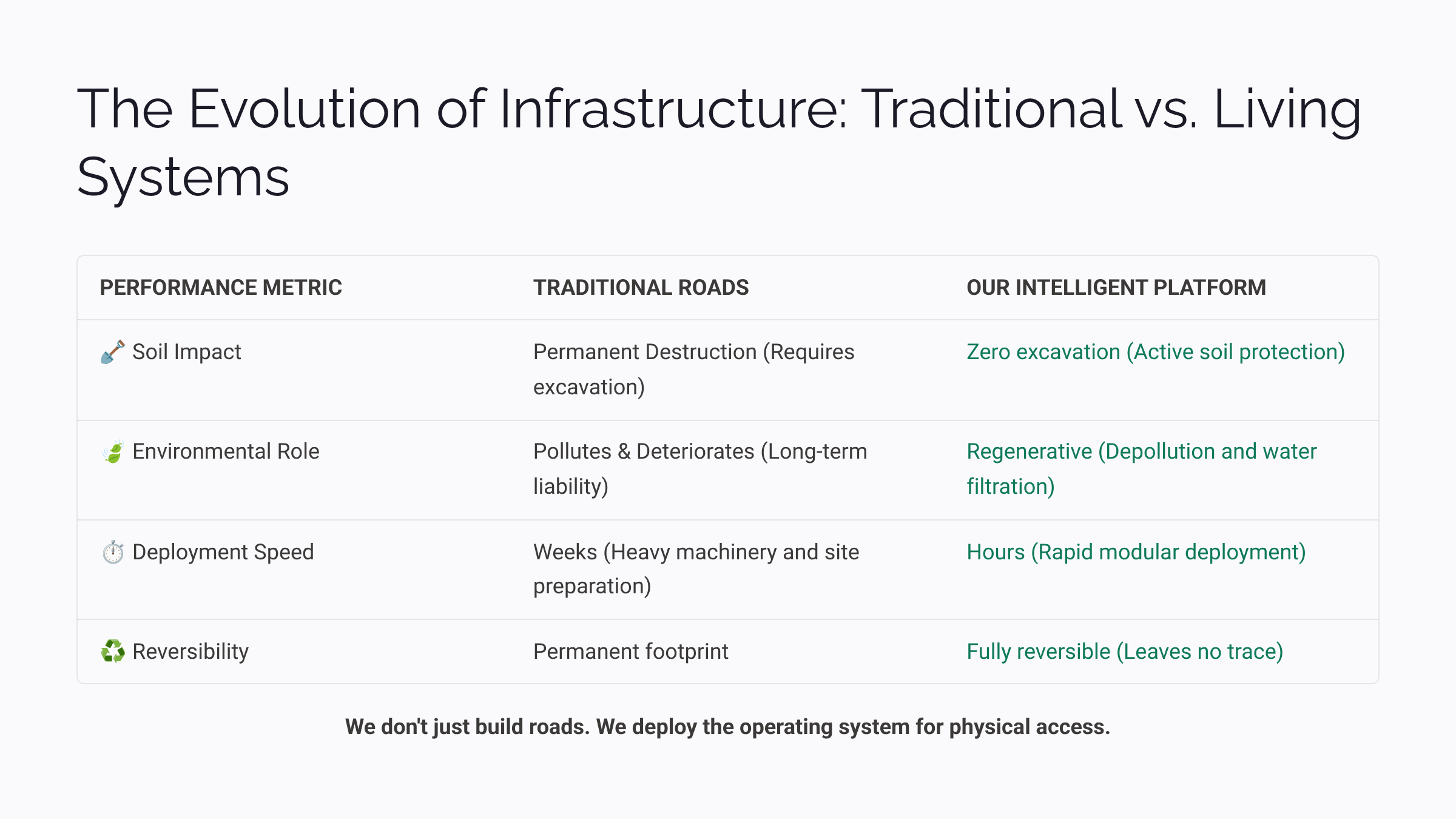
Conventional access infrastructure creates outsized environmental and financial liabilities, burdens that endure for decades beyond project completion.
Permanent Imprints
Roads built for heavy construction equipment often remain indefinitely, imposing continuous maintenance burdens and contributing to lasting environmental degradation.
Altered Water Flow
Permanent access routes disrupt natural hydrological systems. Ditches, culverts, and drainage networks accelerate erosion and increase sedimentation in vital waterways.
Ecosystem Fragmentation
Linear infrastructure dissects wildlife habitats, creating movement barriers and introducing invasive species vectors that can persist for generations.
Compounding Liabilities
Environmental and financial responsibilities escalate over time, demanding ongoing monitoring, costly maintenance, and eventual decommissioning efforts.
Most Environmental Damage Happens During Construction
The construction phase represents the highest-risk period for environmental impact. This concentrated window of activity—often just 6-18 months—generates effects that can persist for decades if not properly managed.
Heavy Equipment Impacts
Large machinery and temporary platforms compact soil, destroy root systems, and create conditions for long-term vegetation loss and erosion.
Uncontrolled Runoff
Construction activities generate contaminated runoff containing hydrocarbons, sediments, and chemical additives that flow into surrounding ecosystems.
Irreversible Compaction
Soil compaction from heavy loads eliminates pore space, destroys microbial communities, and prevents natural regeneration even after equipment is removed.
The Critical Window
Construction represents less than 10% of a project's operational lifespan but generates over 60% of its environmental impact.
Traditional approaches accept this damage as inevitable. We believe it's preventable.
Temporary Platforms, Not Permanent Damage
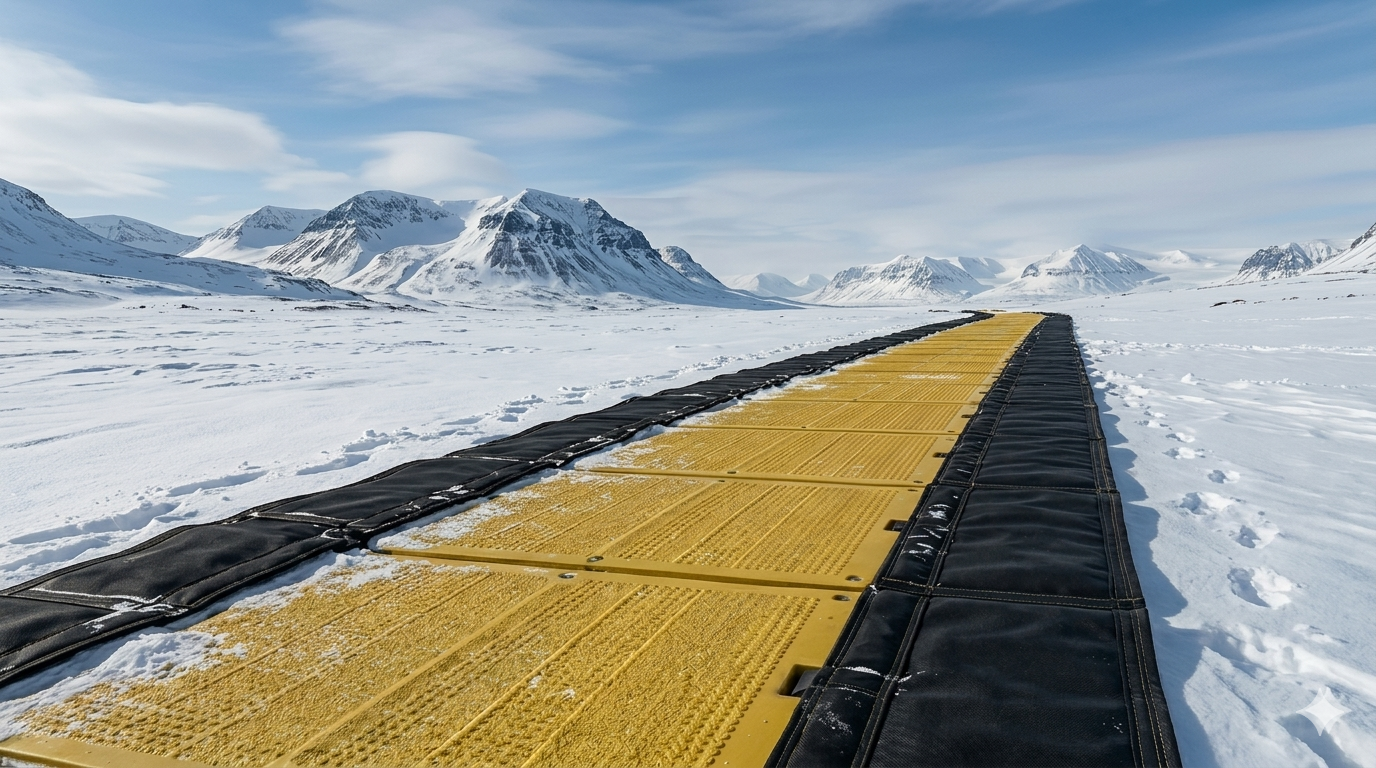
Our construction platform solution fundamentally reimagines how energy projects access remote sites. Instead of building permanent infrastructure for temporary needs, we deploy modular systems designed for the actual construction timeline.
Modular & Removable
Platform components are installed without excavation and fully removed after construction, leaving no permanent footprint.
Zero Soil Compaction
Engineered load distribution prevents compaction damage, maintaining soil structure and hydrological function.
No Imported Gravel
Eliminates the need for aggregate hauling, reducing costs and preventing introduction of non-native materials.
Land Integrity Preserved
Natural drainage patterns, vegetation, and ecosystem functions remain intact throughout construction.
Environmental Protection Built Into the Platform
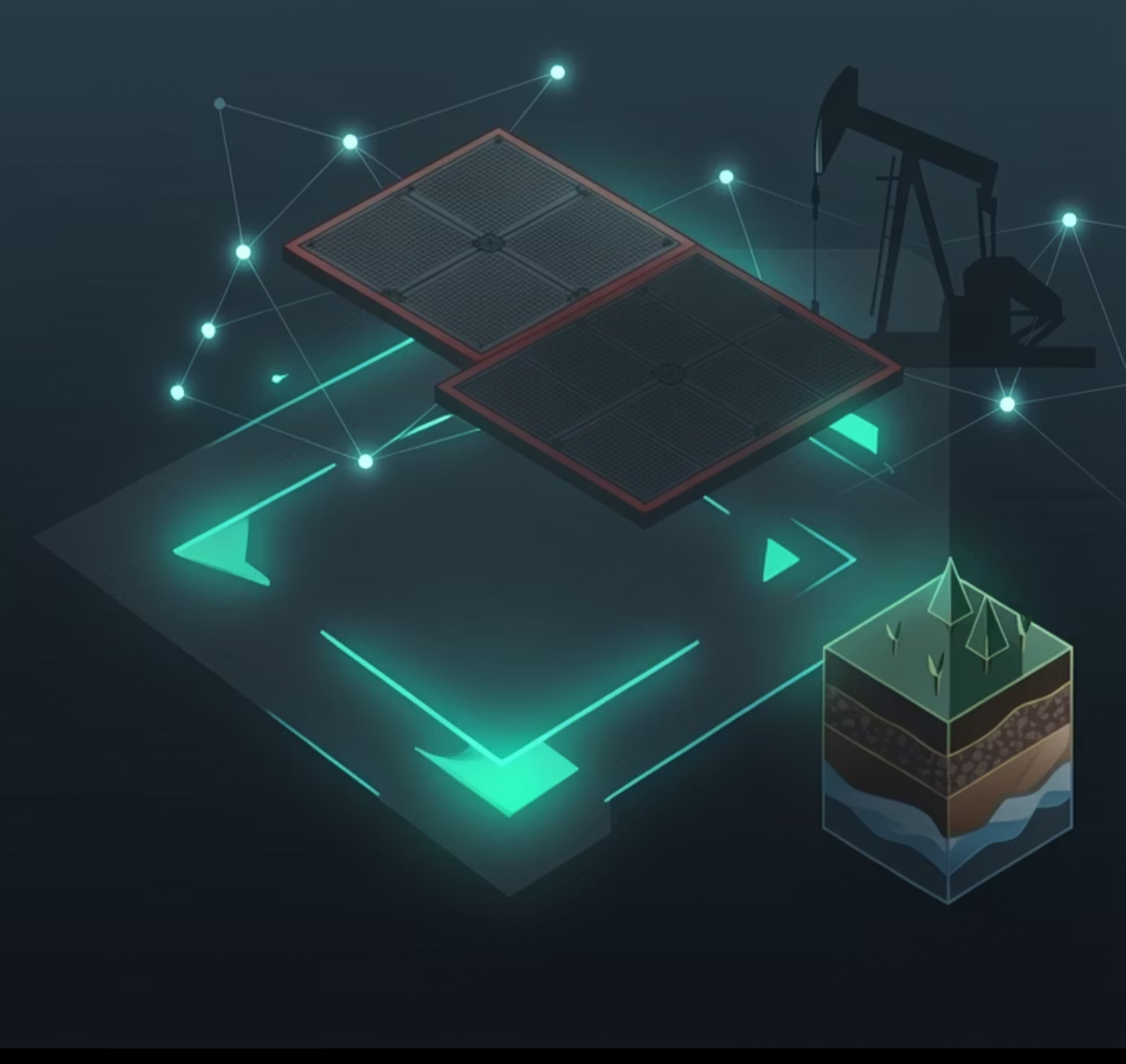
Protection isn't added as an afterthought—it's engineered into the platform architecture. Each installation functions as an active environmental safeguard throughout the construction phase.
Integrated Protective Sleeves
Built-in containment systems create physical barriers between equipment and ground, preventing direct contact and contamination.
Contaminant Capture
Active collection systems capture hydrocarbons, hydraulic fluids, and construction chemicals before they reach soil or water.
Runoff Control
Engineered drainage manages water flow, controls sedimentation, and prevents erosion throughout the active construction zone.
Ecosystem Preservation
Soil biology, water quality, and biodiversity remain protected beneath platforms, enabling rapid natural recovery post-removal.
Access Adapts to the Project Lifecycle
Unlike traditional roads that remain static regardless of need, adaptive access corridors transform throughout a project's life. The same corridor serves different functions at different phases—always optimized for current requirements, never over-built for future contingencies.
This adaptive approach eliminates the false choice between access and environmental stewardship. Wide corridors enable efficient construction. Reduced corridors minimize operational footprint. Complete removal enables full site restoration. No permanent excavation. No ditches. No culverts. The land returns to its natural state when the project ends, with no legacy infrastructure requiring perpetual maintenance or creating long-term liability.
From CAPEX to Predictable OPEX
Traditional access infrastructure requires massive upfront capital investment followed by decades of uncertain maintenance costs. Our model transforms this financial structure entirely.
By shifting access infrastructure from capital expenditure to operational expenditure, utilities gain financial flexibility and transfer specialized risk to operators with deep expertise in access management. This isn't cost-shifting—it's risk optimization and predictability.
Access becomes a managed service, not an owned asset.
Designed for pilot deployment with utilities, starting with construction platforms in sensitive environments.
1
No Access CAPEX
Eliminates large upfront capital requirements for access infrastructure construction and materials.
2
Predictable Cost Per KM
Fixed pricing per kilometer, per project phase enables accurate budgeting and eliminates cost overrun risk.
3
Transferred Responsibility
Specialized operators manage all access logistics, maintenance, and environmental compliance.
4
Zero Legacy Liability
No long-term access maintenance obligations or end-of-life decommissioning responsibilities.
What Utilities Gain Immediately
The value proposition extends far beyond access infrastructure. By fundamentally reducing environmental impact, we accelerate the most time-consuming aspects of project delivery while lowering total lifecycle costs.
1
Faster Permitting
Reduced environmental footprint means fewer regulatory triggers, shorter review timelines, and streamlined approval processes.
2
Lower Environmental Risk
Minimized hydrological disruption and biodiversity impact reduce compliance risk and post-construction monitoring requirements.
3
Improved Acceptability
Demonstrable commitment to land stewardship builds trust with Indigenous communities and stakeholders, reducing project opposition.
4
Total Cost Reduction
Lower construction costs, eliminated long-term maintenance, and faster project completion deliver superior lifecycle economics.
Financial predictability and operational flexibility combine with accelerated timelines to transform project economics. The question isn't whether you can afford this approach—it's whether you can afford not to adopt it.
Designed to Scale Across Regions and Markets
This isn't a single-site solution adapted for specific conditions. It's an infrastructure platform engineered for geographic and operational scalability from inception.
The same fundamental approach deploys across diverse terrain types and project categories. Platform configurations adapt to local conditions while maintaining core environmental protection principles and economic models.
Terrain Versatility
Forests, wetlands, peatlands, remote territories—each with engineered solutions for specific ground conditions.
Project Applications
Wind farms, transmission corridors, pipeline installations, substation construction—any energy infrastructure requiring access.
Geographic Expansion
Same operational model, different markets. From Québec to Western Canada to international deployments.
Repeatable and transferable. Once proven in one region, the model replicates efficiently across new markets without requiring fundamental redesign or local expertise development from scratch.
Built on Real Field Experience
This solution emerges from years of hands-on deployment, not theoretical engineering. Our approach is forged through direct experience managing access challenges across Québec's most demanding landscapes.
Field-Deployed Access Solutions
Proven track record delivering access infrastructure for pipeline and industrial projects in sensitive environments.
Large Territory Management
Experience coordinating access logistics across extensive project areas with complex stakeholder requirements.
Forestry & Land Stewardship
Deep expertise in forest ecosystems, sustainable harvesting practices, and long-term land management.
Regenord Group Backing
Supported by an established organization with demonstrated capacity in resource sector infrastructure and operations.
Credibility Through Execution
We're not proposing untested concepts. Every component of this approach has been validated through real-world deployment in conditions as challenging as any you'll encounter.
Field-proven. Operationally validated. Ready to scale.
We Are Not Proposing a Better Road
We are introducing a new class of energy infrastructure.
For decades, the energy sector has accepted a false trade-off: build the infrastructure you need or protect the environment. Fast execution or community acceptance. Low upfront cost or manageable long-term liability.
Regenerative access corridors eliminate these trade-offs. It starts with construction platforms and adaptive access—infrastructure that serves its purpose without creating permanent damage. This foundation unlocks faster execution through streamlined permitting, lower risk through reduced environmental impact, and long-term resilience through eliminated legacy liabilities.
The technology exists. The operational model is proven. The financial case is compelling. What remains is the decision to deploy it.